The world of lighting has undergone a remarkable transformation over the past decade, with LED technology leading the charge toward innovation, sustainability, and style. Today, lighting is no longer just about brightness — it’s about creating moods, enhancing aesthetics, LED module distributor
and improving energy efficiency. Modern LED lighting design has opened up endless creative possibilities for homeowners, designers, and businesses alike.
Let’s explore the top trends shaping the future of LED lighting design and how they’re redefining how we experience light in everyday spaces.
Smart Lighting and Automation
One of the most exciting trends in LED lighting is the rise of smart technology. Modern LED systems can now connect to Wi-Fi, smartphones, and voice assistants, allowing users to control brightness, color, and scheduling with ease.
Imagine adjusting the ambiance of your living room with a single voice command or setting your office lights to automatically dim as the sun sets. Smart LED systems provide convenience, customization, and energy efficiency — perfect for homes, offices, and commercial spaces.
These systems can also integrate with other smart home devices, such as thermostats and sensors, for a fully automated environment.
Human-Centric Lighting
Lighting design has become more focused on human wellness than ever before. Human-centric lighting mimics natural daylight patterns, supporting our circadian rhythms and improving mood, focus, and productivity.
In workplaces, this trend helps employees stay energized during the day and relaxed in the evening. In residential settings, human-centric LED lighting creates comfort and balance, ensuring that artificial light aligns with our body’s natural cycles.
The ability to adjust color temperature — from cool whites during the morning to warm tones at night — has become an essential feature of modern LED systems.
Minimalist and Architectural Lighting
Simplicity and elegance are at the heart of contemporary design, and LED lighting perfectly complements minimalist aesthetics. Slim LED strips, recessed fixtures, and hidden light sources can create a clean, sophisticated atmosphere while emphasizing architectural details.
Designers often use linear LED profiles to highlight ceilings, walls, and furniture edges, adding depth and character without clutter. This approach creates a sense of modern luxury, turning light into an integral part of the architecture rather than a separate element.
RGB and Dynamic Color Control
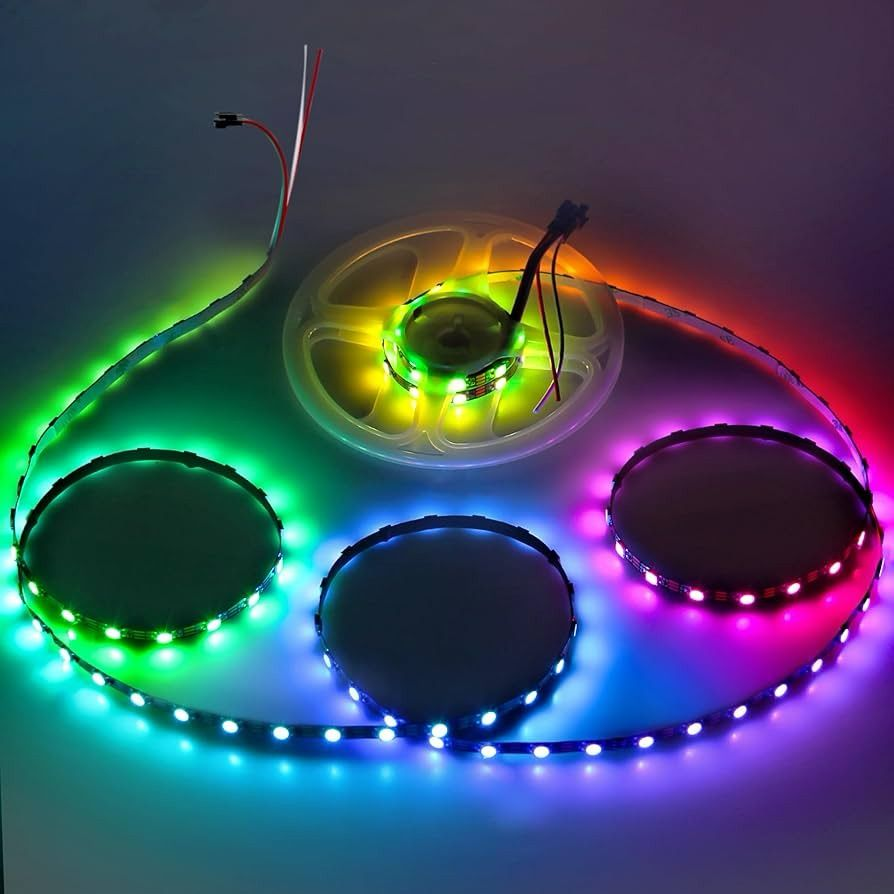
Color has a profound impact on mood and perception, and modern LED technology makes it easy to experiment with an entire spectrum of hues. RGB (red, green, blue) and RGBW (with white) lighting systems allow users to create endless color combinations and dynamic effects.
This trend is especially popular in entertainment spaces, retail environments, and hospitality settings. Businesses use RGB lighting to draw attention, create brand-aligned themes, and enhance customer experiences. At home, RGB LEDs bring life to living rooms, game areas, and outdoor patios — turning ordinary spaces into vibrant, immersive zones.
Sustainability and Energy Conservation
Sustainability continues to be a driving force in lighting design. LED lights are already known for their low power consumption and long lifespan, but newer innovations are pushing efficiency even further.
Manufacturers are focusing on recyclable materials, eco-friendly production processes, and energy management systems that reduce waste. Solar-powered LEDs and motion-activated lighting solutions are also gaining popularity, offering both environmental and financial benefits.
As consumers become more eco-conscious, sustainable LED lighting has become a symbol of responsible and forward-thinking design.
Custom and Modular Lighting Systems
Modern spaces demand flexibility, and modular LED systems deliver just that. These customizable setups allow users to design lighting layouts that can be easily rearranged or expanded as needed.
From magnetic track lights to modular panels, designers now have the freedom to experiment with creative configurations that suit different moods or events. Whether in a gallery, café, or home office, modular LED lighting enables dynamic spaces that evolve with changing needs.
Artistic and Statement Lighting
Lighting is no longer just functional — it’s a form of art. Designers are using LEDs to craft visually stunning installations that serve as both illumination and decor. Sculptural fixtures, geometric patterns, and cascading LED pendants are turning light into a centerpiece rather than a background element.
This artistic approach allows spaces to express personality and sophistication, transforming ordinary interiors into captivating visual experiences.
Conclusion
The evolution of modern LED lighting design is driven by technology, creativity, and sustainability. From smart controls and human-centric lighting to minimalist aesthetics and dynamic color systems, LEDs are revolutionizing how we illuminate our world.
Whether you’re designing a home, office, or retail space, these trends highlight the versatility and beauty of LED technology. With endless customization options and energy-saving benefits, modern LED lighting continues to shape environments that are not only brighter but also smarter, healthier, and more inspiring.
About the Author
